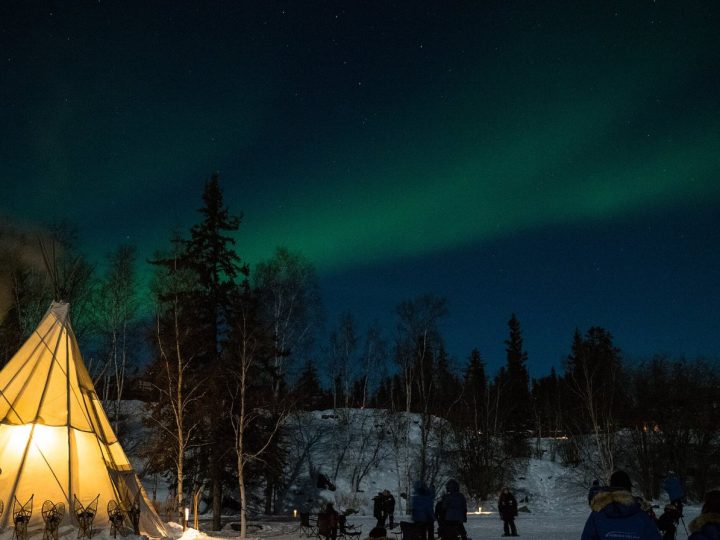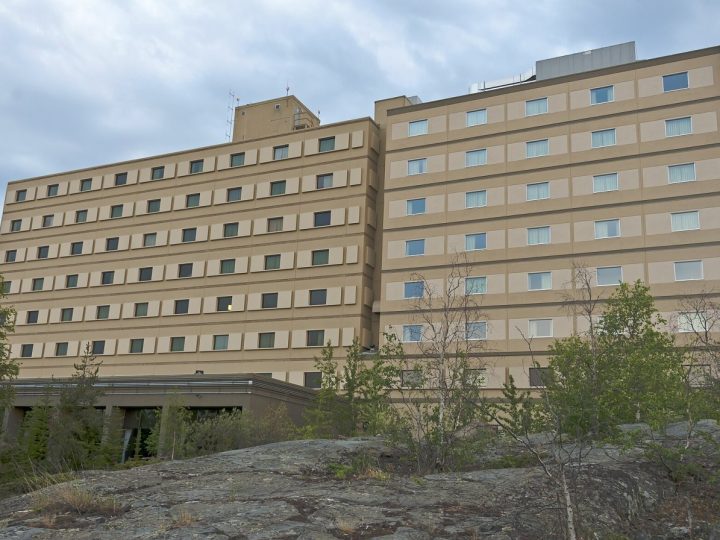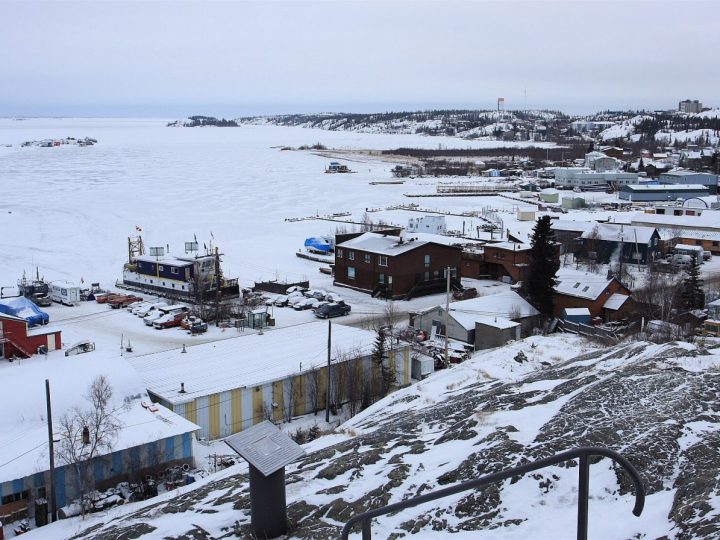
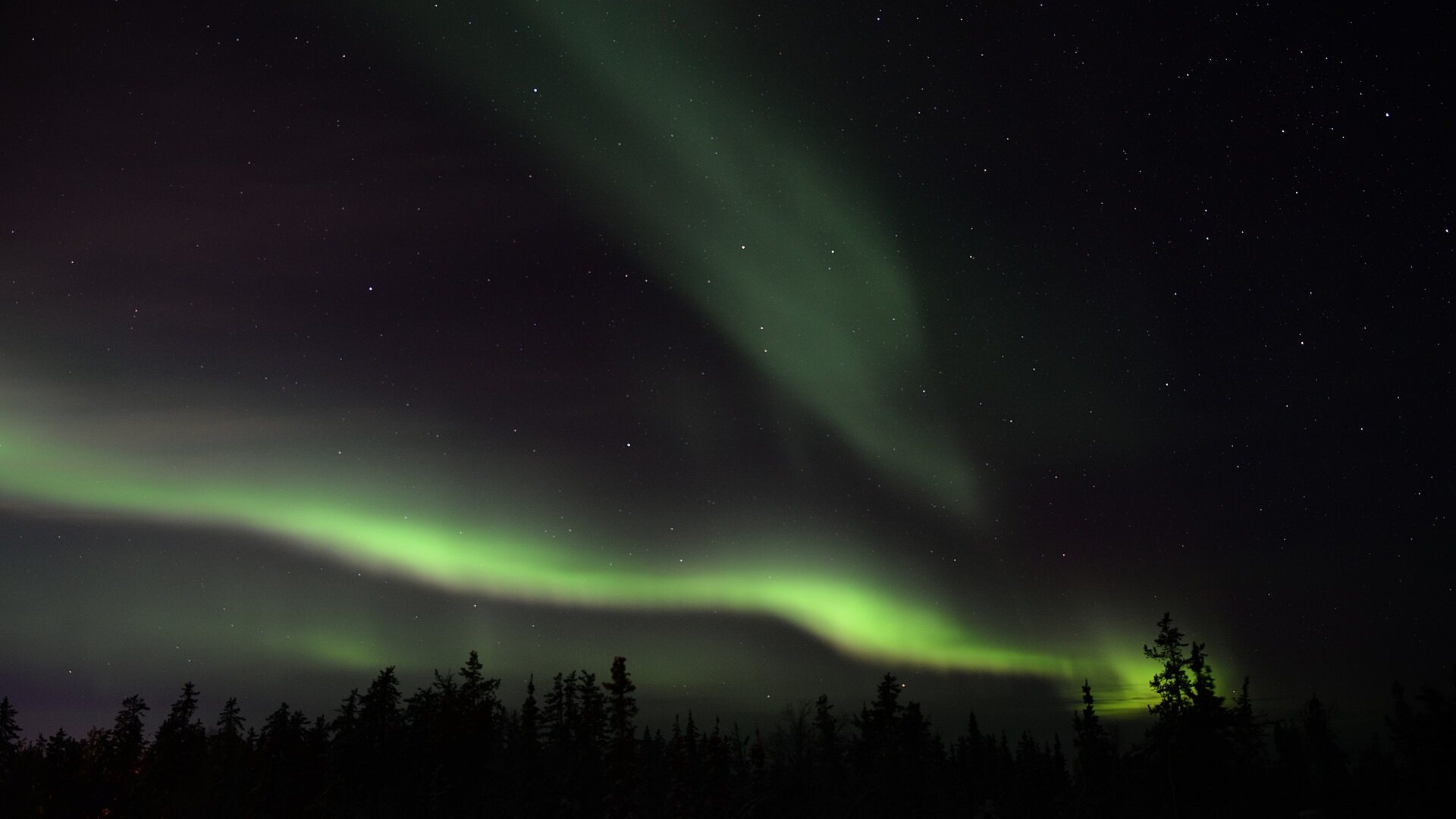
Yellowknife offers two distinct ways to experience the northern lights. Fall brings milder nights and a shorter window of darkness, while winter delivers longer nights alongside deep cold and more demanding road conditions. The best choice depends on how you feel about winter weather, how independently you want to travel and how much structure you want each evening.
The city works well as a base for nightly outings, but the actual viewing locations are generally separate from visitor accommodation. You can stay in Yellowknife and join tours, rent a vehicle and use designated viewing areas, or choose a remote lodge that combines the wilderness setting with accommodation and other services.

Northern Lights Tour Yellowknife
Wonderful and Amazing experience while going through the famous Ingraham trail to view the Northern Lights in our bus. There are lakes with breathtaki...

Yellowknife 5-Day Northern Lights Adventure:Aurora&Arctic Wonders
Experience an unforgettable 5-day, 4-night adventure in Yellowknife, renowned as the "Northern Lights Capital" with...

3-Day Aurora Viewing Tour in Yellowknife Canada
Yellowknife is easily one of the best places in the world to observe the aurora! It is also known as the "Northern L...

2 Days Aurora Experience in Yellowknife
This aurora experience is designed for travellers who want maximum results in minimum time. Over just two nights, yo...
- Plan for fall viewing from roughly mid-August through late September or early October.
- Consider winter from roughly mid-November through early April, while checking the operating season of your chosen provider.
- Build several nights into the trip because cloud cover, darkness and solar activity affect each outing.
- Choose designated viewing and parking areas rather than stopping along a highway.
- Pack full winter protection for cold-season trips, including insulated outerwear, boots, a hat and gloves.
- Compare live booking details because tour, lodge, rental vehicle and airfare prices change by date and provider.
Late August sits near the beginning of the fall viewing period. Darkness is more limited than it becomes later in September, so travelers visiting at this time should keep their evenings flexible. A clear forecast and active sky still matter, and no season or itinerary can guarantee a display.
When to see the northern lights in Yellowknife
Yellowknife’s broad fall aurora period begins around mid-August and continues through late September or early October. August evenings have fewer hours of full darkness, while the viewing window lengthens as September advances. Fall suits travelers who want to spend time outside without immediately facing the most severe winter temperatures.
The broad winter planning window runs from approximately mid-November through early April. Individual tour and lodge seasons can differ, so check the operating dates for the experience you want before booking flights or accommodation. Winter provides long nights, but every plan must account for extreme cold, snow and changing road conditions.
Cloud cover and solar activity affect viewing in both seasons. A longer stay creates more opportunities to try again after an unproductive evening, but it still does not create a guarantee. Keep at least part of each night uncommitted until you have checked the latest local weather and aurora forecast.
Fall and winter offer very different trips
| Planning factor | Fall | Winter |
|---|---|---|
| Broad period | Mid-August through late September or early October | Mid-November through early April |
| Darkness | More limited in August, increasing later in September | Long winter nights |
| Outdoor conditions | Milder than winter | Severe cold requires specialized clothing |
| Driving considerations | Check weather and road information before leaving | Check road conditions, closures and winter-driving guidance |
| Best fit | Travelers prioritizing milder outdoor viewing | Travelers prepared for cold and a longer nightly window |
Fall is the easier entry point for many first-time northern visitors. You still need warm layers, but the season reduces the challenge of standing outside in severe winter cold. Its main limitation is time: an August trip has less full darkness available than a visit later in September.
Winter rewards careful preparation. Longer nights can make the evening schedule more flexible, yet a quick walk from a warm vehicle can become uncomfortable without the right clothing. Road closures, winter surfaces and rapidly changing conditions also deserve more attention than they would on a routine city drive.
Use Yellowknife as your base or stay at a remote lodge
Staying in Yellowknife gives you a modular trip. You can arrange city accommodation, select guided outings on specific nights and retain time for independent plans. This approach also lets you compare several types of aurora experiences instead of committing the entire stay to one package.
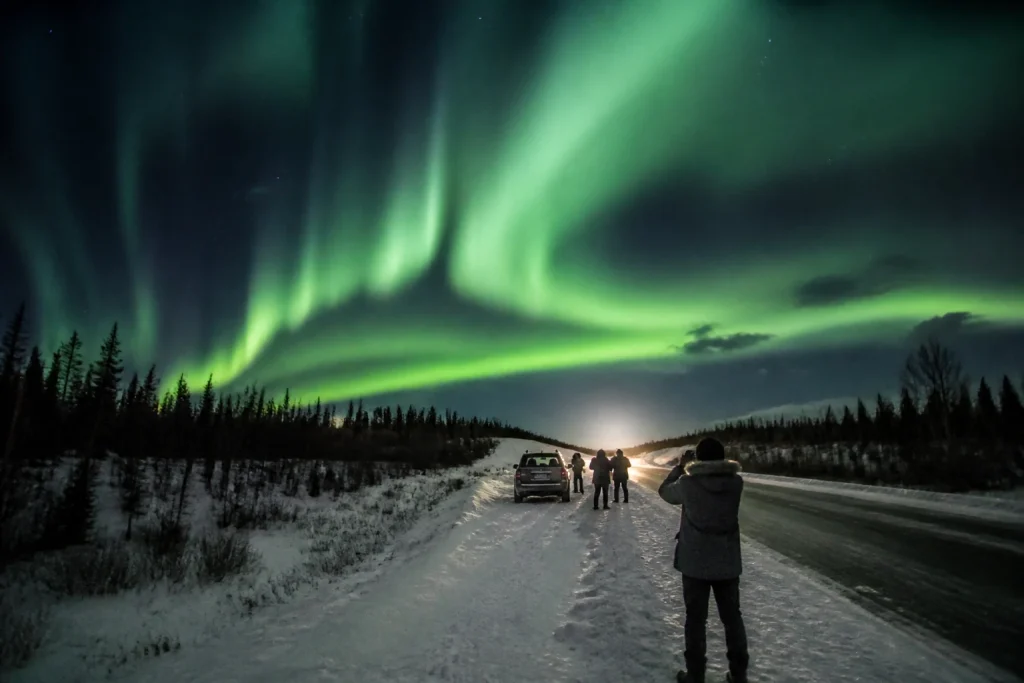
A remote lodge creates a more self-contained experience. Tourism descriptions commonly combine a wilderness setting with guides, meals or other services and daytime activities. The tradeoff is a more bundled arrangement, with fewer opportunities to change individual parts of the itinerary after arrival.
Neither format removes the influence of weather. A lodge puts you close to its viewing setting, while a city-based trip can offer more freedom to select different outings. Compare the cancellation terms, transfers, included meals, warm-up facilities and daytime activities before deciding which structure suits you.

Yellowknife: Aurora Chasing + Aurora Lodge
The best of both worlds, Aurora Chasing and Aurora Lodge! This is the Aurora Tour that allow you to have the cake an...

Aurora Station Aurora Viewing
Gaze at the mesmerizing Aurora Borealis from the comfort of the newly constructed Aurora Station. This unique facili...

Yellowknife Sightseeing City Tour
Discover Yellowknife the home for famous arctic diamonds, Ice Pilots television series and the spectacular Aurora Bo...
Choose between a guided tour and self-driving
Licensed Northwest Territories operators offer aurora-hunting outings, cultural experiences and lodge stays. A guided outing removes the need to navigate unfamiliar roads at night and is the simplest option for travelers who do not want to manage winter driving. The site’s Tours page is a useful starting point for exploring available Yellowknife tour options.
A tour offers structure and local logistics
Tour formats vary, so compare more than the activity name. Check the pickup arrangement, expected outing length, group format, warm-up space, clothing requirements and what happens if conditions are poor. Some experiences remain at a viewing property, while aurora-hunting trips are designed around moving between locations.
Guided outings are especially practical during winter, when severe cold and road conditions add complexity. They also suit visitors with only a few evenings who would rather focus on the sky than on parking, navigation and route decisions.
Self-driving provides flexibility with added responsibility
A rental vehicle gives you control over departure time and the length of each stop. That freedom comes with responsibility. The territorial government directs visitors to designated safe viewing and parking locations, including locations along the Ingraham Trail, instead of stopping on highways or leaving approved roads.
Before driving, check current road conditions, closures and weather. Never assume frozen water is safe for a vehicle. Ice thickness changes with temperature and currents, and only maintained ice roads should be driven. Do not enter a closed winter road or treat an informal track as a shortcut.
Plan each viewing night around current conditions
- Check the local weather forecast and look for cloud conditions that could obstruct the sky.
- Review the current aurora forecast shortly before the outing.
- If driving, check territorial road information and confirm that the intended viewing area is accessible.
- Dress for the actual temperature and expected time outdoors, not just the short walk to the vehicle.
- Tell someone your general plan if heading out independently, and keep the route conservative.
- Use designated viewing and parking areas, then adjust the evening rather than forcing a risky drive.
Avoid building an evening around a single forecast checked early in the day. Conditions can change quickly, particularly during winter. Review the latest information before leaving the city or accepting a long drive, and follow any posted closure or safety direction encountered along the route.
Keep the rest of the night simple. Prepare clothing and camera equipment before departure, eat in advance and leave room in the schedule for a later return. Aurora viewing often involves waiting, so comfort and patience are more useful than an overpacked itinerary.
Pack for waiting outdoors, not merely reaching the site
Winter visitors need a parka, snow pants, insulated winter boots, a warm hat and gloves. Frostbite is a real risk, and exposed skin should be covered. Suitable clothing can be rented through local tourism operators, which can be practical for travelers who do not own equipment designed for northern winter conditions.
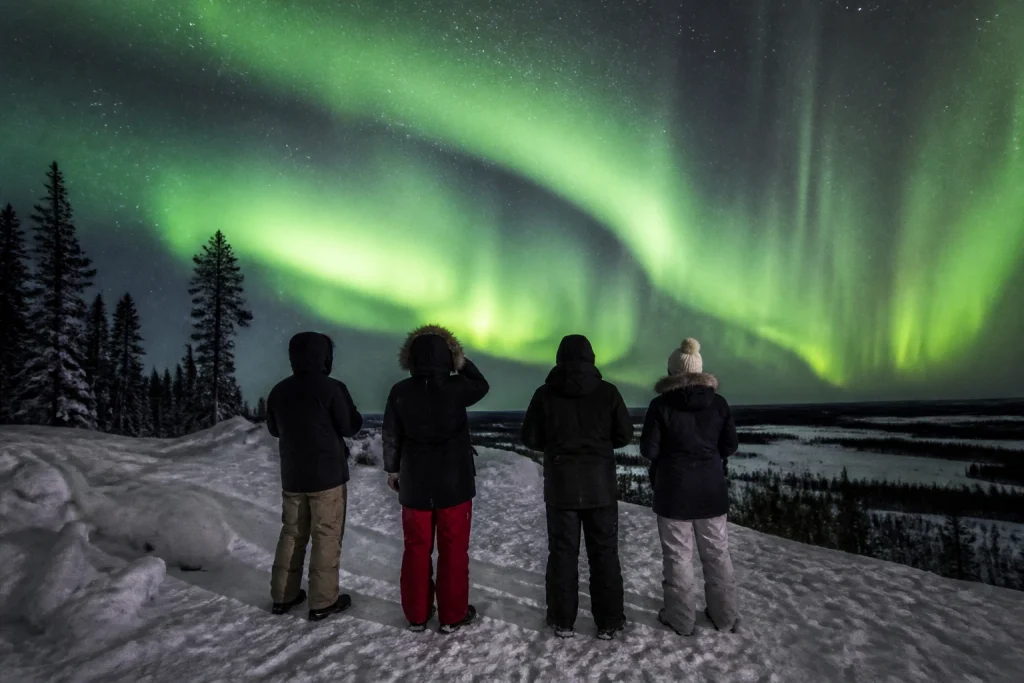
- Insulated parka and snow pants for winter outings
- Winter boots appropriate for prolonged time outside
- Warm hat, gloves and protection for exposed skin
- Comfortable insulating layers that can be adjusted indoors or in a vehicle
- Camera, charged batteries and a stable tripod if photography is a priority
- A small bag that keeps essential items organized and easy to reach
Fall packing still calls for warm layers. A mild afternoon does not describe the temperature later in the night, especially when you are standing rather than walking. Bring clothing that can be added gradually and confirm whether a tour supplies any outerwear or expects guests to arrive fully equipped.
Cold also changes how a viewing night feels. Tasks such as adjusting a tripod or searching through a bag become less pleasant when fingers are chilled. Set up equipment while you are still comfortable and keep the most important items where they can be reached without removing layers unnecessarily.
Treat winter roads and frozen water with caution
The safest self-drive plan uses approved roads and designated parking areas. Stopping on a highway creates danger for you and other road users, particularly after dark. Do not drive beyond a maintained route simply because another vehicle has left tracks in the snow.
Frozen lakes and rivers require the same discipline. A white surface can look solid without being suitable for vehicles. Ice thickness varies with currents and temperature, so use only maintained ice roads and obey all closures, signs and posted limits.
Current conditions should decide the route, even if that means changing the evening’s plan. Check territorial road and emergency information, local weather and aurora forecasts before departure. A safe nearby stop is a better choice than a longer drive through deteriorating conditions.

Intimate Aurora Tours Cozy Cabin Bucket List
We are local with plenty of Northern stories to share. Our tours are small and the cabin is warm and cozy. We offer...

Dog Sledding
A fun Winter Activity, Dog Sledding! One of the fun things to do in Yellowknife, Northwest Territories, Dog Sledding...

Yellowknife City Tour
Welcome To Yellowknife! Explore the beautiful city of Yellowknife! View and click pictures of the beautiful and Wo...
Confirm accessibility before booking an aurora experience
Accessibility varies by operator, vehicle, lodge and viewing site. Ask targeted questions before booking rather than relying on a general accessibility label. Conditions can involve snow, ice, uneven outdoor surfaces, vehicle transfers and time spent away from a heated building.
- Is transportation step-free, and is transfer assistance available?
- Does the viewing location have an accessible washroom?
- Is there a heated, accessible warm-up space?
- What surfaces connect the vehicle, viewing area and washroom?
- Can a guest remain inside a vehicle while viewing?
- Are suitable seating and service-animal arrangements available?
Remote lodges require additional questions about guest rooms, dining areas and transfers. Describe the specific assistance, mobility device or space you need, then confirm that every major part of the booked experience can accommodate it. A suitable room alone does not establish that the transportation and outdoor viewing area will also work.
Build a realistic Yellowknife aurora budget
Aurora trip costs vary too much by date and provider for a dependable fixed estimate. Compare live prices for flights, accommodation, tours, remote lodges, clothing rental and rental vehicles. Check taxes, transfers, meals and winter equipment instead of comparing only the first displayed amount.
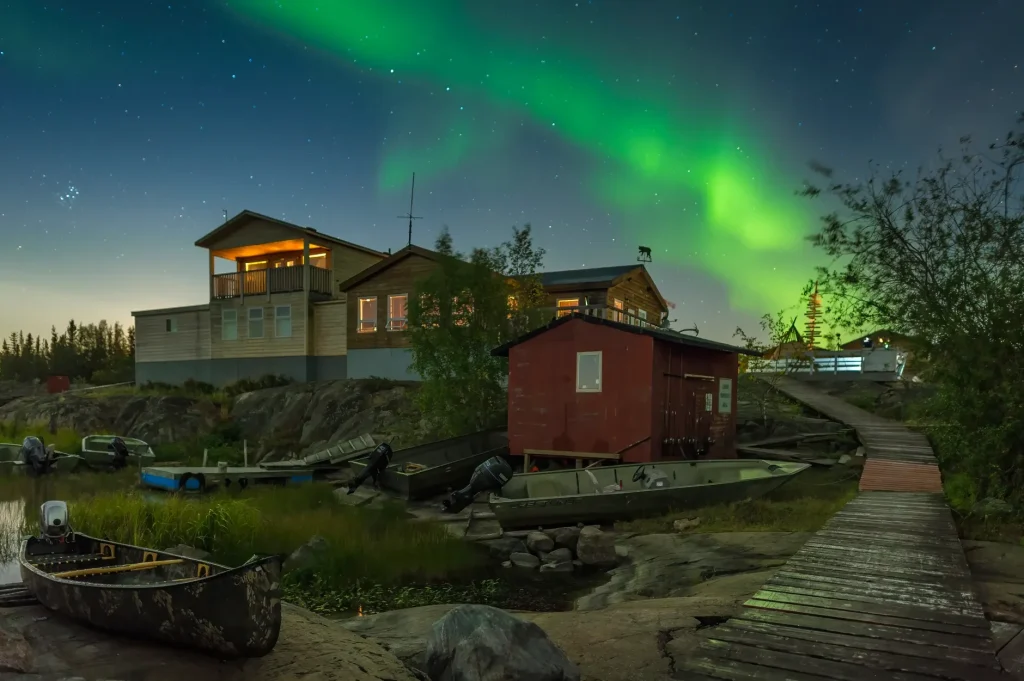
A city-based stay with selected tours is the more modular approach. It lets you decide how many guided nights to purchase and which other services to arrange separately. A remote lodge generally bundles more of the experience, potentially including the wilderness setting, guides, meals or services and daytime activities.
| Budget item | What to compare |
|---|---|
| Accommodation | City hotel versus bundled remote-lodge stay |
| Aurora outings | Number of nights, tour format, duration and included services |
| Transportation | Airport transfers, tour pickup or rental vehicle |
| Winter equipment | What you own, what a tour supplies and clothing-rental needs |
| Meals | Included lodge meals versus separate city dining |
| Booking flexibility | Cancellation terms and weather-related policies |
Do not assume that the cheapest nightly option produces the lowest total trip cost. A package can include services that would otherwise be purchased separately, while a city itinerary gives you more control over individual expenses. Compare the complete stay using the same dates and number of viewing nights.
Create an itinerary with room for the weather
Place the aurora at the center of several evenings rather than assigning the trip’s entire purpose to one night. Use daytime hours for rest, meals and preparation, then reassess conditions before each outing. This structure makes it easier to recover after a late return and respond to a changing forecast.
Arrival day
Keep the first day light. Check into your accommodation, organize clothing and review any tour confirmation or vehicle arrangements. If the weather is suitable and you have enough energy, the first evening can become an extra viewing opportunity rather than a tightly scheduled obligation.
Middle nights
Use the middle of the stay for your primary guided outing, lodge experience or carefully planned drive. Check forecasts and road information again before leaving. If you have booked more than one type of experience, separate them across different evenings so one late return does not interfere with the next departure.
Final evening
Protect the final night as a backup opportunity, but consider the next morning’s departure. A late outing immediately before an early flight can create a tiring end to the trip. If road or weather conditions deteriorate, accept the change rather than forcing one last attempt.
Make flexibility part of the plan
A successful Yellowknife northern lights trip begins with a season that fits your tolerance for cold. Fall provides milder outdoor viewing with fewer hours of darkness, while winter offers long nights and more demanding conditions. City stays suit travelers who want flexibility, and remote lodges suit those who prefer a bundled wilderness experience.
Book the major pieces early enough to secure the format you want, then keep each evening responsive to weather, forecasts and road conditions. Pack for time spent waiting outside, use approved viewing areas and avoid treating frozen water as an informal road. Careful preparation leaves more attention for the reason you came: watching the northern sky.
Frequently asked questions
What is the best month to see the northern lights in Yellowknife?
There is no single best month for every traveler. The broad fall period runs from mid-August through late September or early October, while winter viewing generally runs from mid-November through early April. Fall is milder, and winter offers longer nights but much colder conditions.
Can you see the northern lights in Yellowknife in August?
Yes, the fall aurora period begins around mid-August. August has fewer hours of full darkness than later September, and viewing still depends on cloud cover and solar activity.
Is fall or winter better for a Yellowknife aurora trip?
Fall is better for milder outdoor viewing, while winter is better for travelers prepared for severe cold and longer nights. Your preferred weather, clothing needs and comfort with winter roads should guide the decision.
Do I need a tour to see the northern lights in Yellowknife?
No, but a guided tour simplifies transportation and nighttime logistics. Self-driving offers more flexibility, provided you use designated viewing and parking areas, check road conditions and avoid unsafe roadside stops.
Can I drive the Ingraham Trail to look for the aurora?
Visitors can use designated safe viewing and parking locations along the Ingraham Trail. Check current road conditions before departure, stay on approved roads and never stop in an unsafe highway location.
What should I wear for winter aurora viewing?
Wear a parka, snow pants, insulated winter boots, a warm hat and gloves, with exposed skin covered. Suitable cold-weather clothing can also be rented through local tourism operators.
Are Yellowknife aurora tours accessible?
Accessibility depends on the operator, vehicle and viewing location. Confirm step-free transportation, transfer assistance, accessible washrooms, heated space, surface conditions, seating and the option to remain inside a vehicle before booking.
How much does a Yellowknife northern lights trip cost?
Costs vary by travel dates, accommodation style, tour format and transportation choices. Compare live prices for flights, lodging, tours, rental vehicles and winter clothing, then check which transfers, meals and services are included.
Is seeing the aurora in Yellowknife guaranteed?
No, an aurora display cannot be guaranteed. Darkness, cloud cover and solar activity all influence the viewing opportunity, so a flexible trip with several available evenings is more practical than relying on one night.
Northern Lights Tour Yellowknife
Wonderful and Amazing experience while going through the famous Ingraham trail to view the Northern Lights in our bus. There are lakes with breathtaki...
Yellowknife 5-Day Northern Lights Adventure:Aurora&Arctic Wonders
Experience an unforgettable 5-day, 4-night adventure in Yellowknife, renowned as the "Northern Lights Capital" with...
3-Day Aurora Viewing Tour in Yellowknife Canada
Yellowknife is easily one of the best places in the world to observe the aurora! It is also known as the "Northern L...
2 Days Aurora Experience in Yellowknife
This aurora experience is designed for travellers who want maximum results in minimum time. Over just two nights, yo...
Still comparing Yellowknife Northern Lights?
Ask for tour ideas, hotel suggestions, or a simple trip plan that combines both.