
Winter clothing is a system, not a single coat. The right combination depends on temperature, wind, activity, exposure time, transportation, and access to shelter.
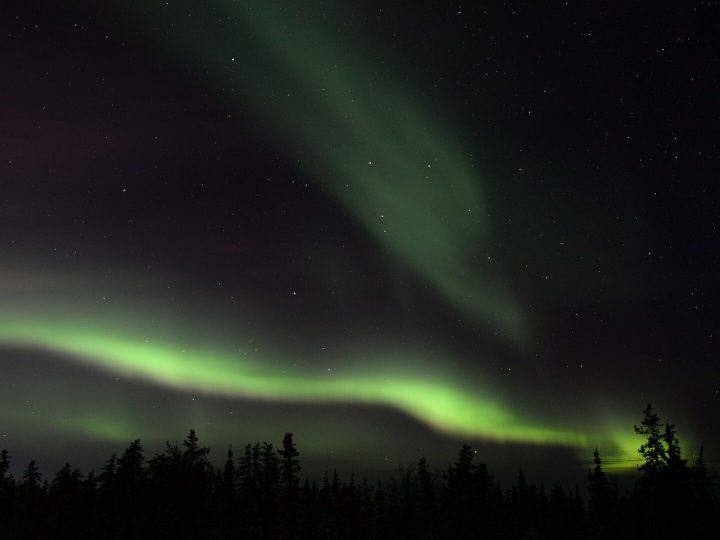
Always plan from a current forecast and the coldest part of the itinerary. Standing still for aurora viewing can require more insulation than an active daytime walk.
Use three adjustable layers
- Base layer: Moves moisture away from skin. Avoid cotton for prolonged cold exposure.
- Insulating layer: Traps warm air and can be adjusted as activity changes.
- Outer layer: Blocks wind and precipitation while fitting over the insulation without compression.
Protect hands, feet, face, and head
Warm boots need space for insulation and circulation. Use dry socks, insulated mittens over liners, a warm hat, and face protection compatible with breathing and visibility. Carry spares when exposure will be prolonged.
| Situation | Adjustment |
|---|---|
| Active walking | Vent before sweating and keep a warm layer ready for stops. |
| Aurora waiting | Add insulation for long stationary periods and plan warm-up breaks. |
| Vehicle travel | Carry full outdoor clothing even when the cabin is heated. |
| Photography | Use dexterous liners under warm mittens and protect batteries. |
Renting can be practical
If extreme-cold clothing is not useful at home, ask an authorized local operator or rental provider what sizes and pieces are included. Confirm pickup, fit, damage, cleaning, and return policies.
Recognize when to go inside
Numbness, loss of dexterity, confusion, unusual fatigue, and persistent shivering require prompt action. Do not stay outside to finish a photograph or itinerary item when warmth and safety are deteriorating.
Pack for disruptions
For any winter drive, carry clothing appropriate for an unplanned stop rather than only the time expected outside. Keep critical layers accessible instead of buried in luggage.