Great Slave Lake defines Yellowknife’s horizon, weather, transportation history, and summer light. Its scale also demands more preparation than a calm shoreline view may suggest.
Cold water, rapid wind changes, waves, limited shelter, and long distances make local knowledge and conservative decisions essential.
Paddling near Yellowknife
Choose an outing suited to experience and conditions. Wear an appropriate personal flotation device, carry communication and signaling equipment, use immersion protection when conditions require it, and tell someone the route and return time. A rental does not by itself confirm that conditions are safe.
Fishing with current information
Licensing, seasons, limits, species guidance, and access rules must be checked with current territorial sources. A qualified local guide can provide equipment and lake knowledge, but confirm what is included before booking.
Plan for long daylight without overextending
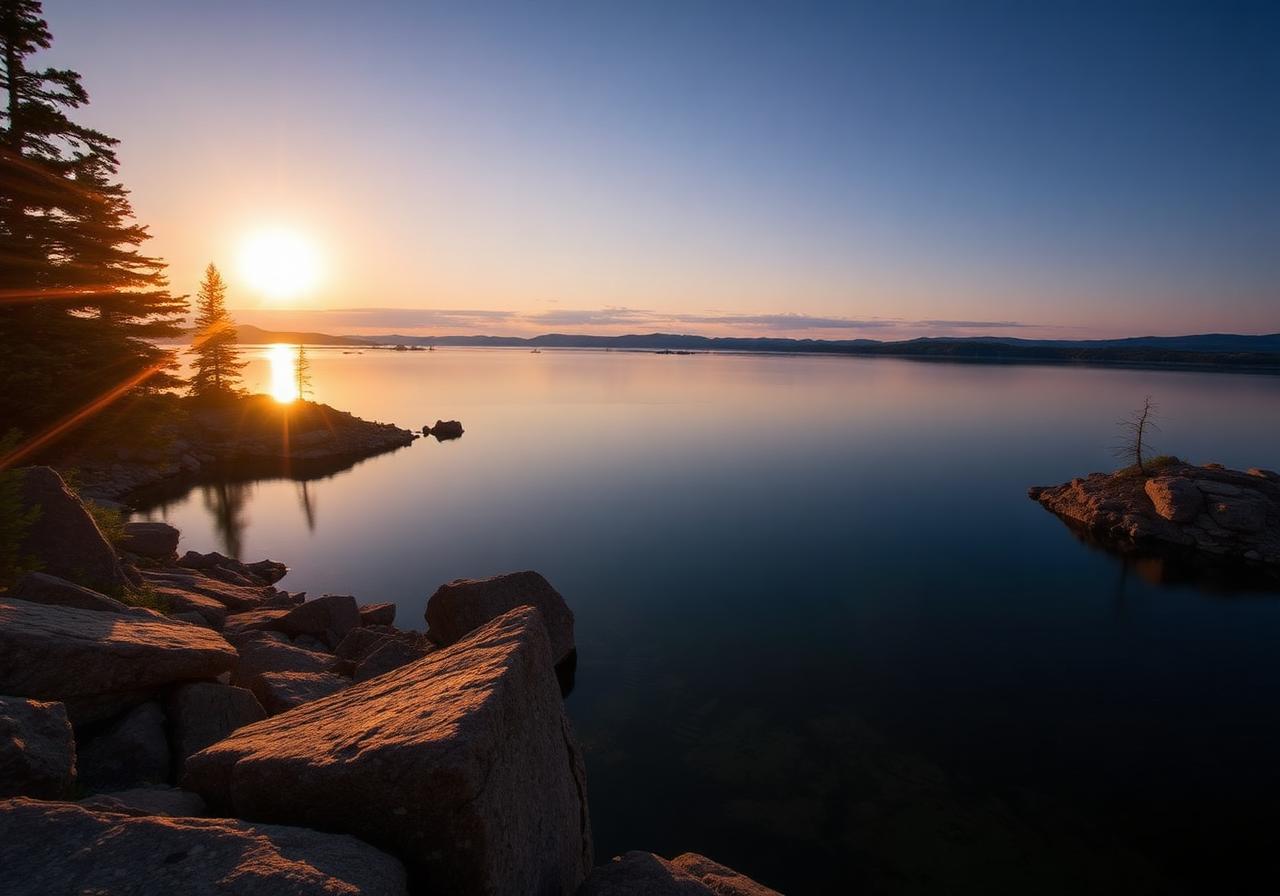
Late-evening light can make time easy to underestimate. Set a return time based on conditions and energy rather than visible daylight alone.
| Activity | Core preparation |
|---|---|
| Shore walk | Stable footwear, wind layer, and respect for private access. |
| Paddling | Cold-water clothing, PFD, forecast, route plan, and communication. |
| Fishing | Current licence and regulations plus properly sized safety gear. |
| Boat or flight trip | Operator details, weather policy, equipment, and return plan. |
Photograph the lake respectfully
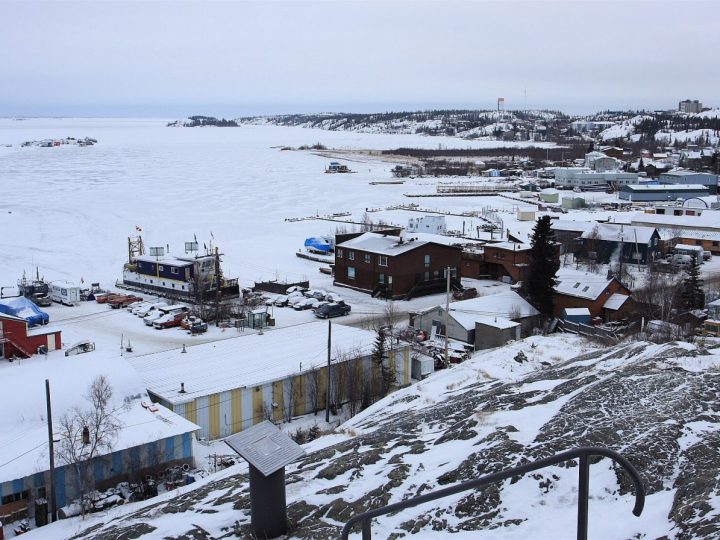
Keep docks, homes, houseboats, and working waterfronts in context. Ask before photographing people closely and avoid blocking access while waiting for light.
Use the lake as a reason to slow down
A short shoreline evening may be more appropriate than a complex excursion when wind or visibility changes. The strongest plan is one that can become smaller without becoming a disappointment.